How Long Does a Roof Last in Texas? Lifespan by Material
 By Chris Grimes, owner of Verde RoofingPublished October 22, 2026 · 8 min read
In short
Published life-expectancy charts give about 20 years for 3-tab asphalt shingles, about 30 for architectural shingles, 40 to 80 for metal and far longer for clay, concrete and slate. In North Texas, treat those as upper guides for asphalt: InterNACHI warns that hot climates drastically reduce shingle life, and hail can end a roof early at any age. Ventilation, installation and maintenance decide where in the range your roof lands.
Key takeaways
- InterNACHI lists about 20 years for 3-tab and 30 years for architectural asphalt shingles, 40 to 80 for metal, 100 or more for clay or concrete and 60 to 150 for slate.
- The 2007 NAHB study put asphalt shingle roofs at about 20 years and noted that roof life depends on weather, design, material quality and maintenance.
- North Texas heat, UV and spring hail mean asphalt roofs here often fall short of national averages.
- A shingle warranty term is not a lifespan estimate; read what the warranty covers and for how long at full value.
- Insurers pay attention to roof age: TDI notes companies may switch older roofs to actual cash value coverage.
If you are buying a house, budgeting for the next big expense, or staring at a roof that looks tired, the question is the same: how many years does a roof really get here? The numbers you find online are national averages, and North Texas is not an average climate.
This guide gives you the published lifespans by material, explains why heat and hail push Texas roofs toward the short end, and shows you how to judge how much life your own roof has left.
How long does each roofing material last?
Two widely cited sources publish life expectancies for home components. InterNACHI, the home inspectors' association, keeps a standard estimated life-expectancy chart. The National Association of Home Builders and Bank of America Home Equity published a study of the life expectancy of home components in 2007. Their figures, side by side:
| Material | InterNACHI chart (years) | NAHB 2007 study (years) |
|---|---|---|
| Asphalt shingles, 3-tab | 20 | About 20 (asphalt) |
| Asphalt shingles, architectural | 30 | Not listed separately |
| Metal | 40 to 80 | Not listed (copper: lifetime) |
| Clay or concrete tile | 100+ | Lifetime |
| Slate | 60 to 150 | 50+ |
| Simulated slate | 10 to 35 | 50 |
| Wood shingles or shakes | 25 | About 30 |
| Fiber cement | 25 | About 25 |
| Modified bitumen (low slope) | 20 | 20 |
| TPO (low slope) | 7 to 20 | Not listed |
| EPDM rubber (low slope) | 15 to 25 | Not listed |
Notice where they disagree, such as simulated slate. Both sources describe these as guidelines that assume normal wear and regular maintenance, not guarantees. InterNACHI adds that hot climates drastically reduce asphalt shingle life, and that roofs in areas with severe weather such as hail may have a shorter-than-normal lifespan or need isolated repairs.
Most homes in Plano, Frisco, McKinney and across Collin County have asphalt shingles, so the first two rows are the ones most readers care about. If you are weighing materials for a new roof, see our comparisons of architectural vs. 3-tab shingles, metal roofing and tile and slate roofs in Dallas.
Why do roofs in North Texas often fall short?
The NAHB study puts it simply: the life of a roof depends on local weather conditions, proper building and design, material quality and adequate maintenance. North Texas is hard on the first of those.
- Heat and UV. Long summers bake asphalt shingles. Over time the oils in the asphalt dry out, shingles become brittle and the protective granules loosen. InterNACHI's warning about hot climates applies directly here.
- Hail. Spring storms across DFW can bruise or crack shingles and knock off granules in a single afternoon. A roof that would have lasted another decade can be done after one bad storm.
- Wind. Strong gusts lift and crease shingles, breaking the seal strips that hold them down. Once a seal is broken, the next storm finds it.
- Temperature swings. Hot days and cooler nights make materials expand and contract, which works fasteners and sealants loose over the years.
So a fair planning assumption for asphalt in North Texas is the lower part of the published range. Your own roof could do better or worse depending on the factors below.
What shortens a roof's life, and what extends it?
Beyond weather, these make the biggest difference:
- Attic ventilation. A hot, poorly ventilated attic cooks shingles from below. Balanced intake at the soffits and exhaust near the ridge matter, especially in Texas. Our guide to underlayment, ventilation and decking explains how it works.
- Installation quality. Nailing pattern, starter courses, flashing details and following the manufacturer's instructions all affect how long a roof holds up.
- Material choice. Architectural shingles are heavier and longer-rated than 3-tab. Impact-rated shingles resist hail better; see Class 4 shingles for Texas hail.
- Trees and debris. Overhanging limbs scrape shingles, drop debris that holds moisture and give squirrels a route onto the roof.
- Gutters. Clogged gutters can back water up under the roof edge.
- Small repairs left undone. A cracked pipe boot or loose flashing lets water into the deck long before the shingles are worn out.
When I walk an older roof, I look at the rubber pipe boots and the flashing before I judge the shingles. In Texas sun those small parts often fail first, and replacing them can buy a sound roof real time.
Is the warranty the same as how long a roof lasts?
No. HomeGuide notes that roof warranty lengths range from 25 to 50 or more years depending on the material. A long warranty term tells you what the manufacturer will cover and under what conditions, not how many years your roof will last in North Texas heat and hail.
Read the details: whether coverage is full for a period and then prorated, whether it covers labor or only materials, whether it requires registration, and what voids it, such as improper ventilation or installation. A separate workmanship warranty from your roofer covers installation errors. Ask for both in writing. Our guide to roof warranties explains the difference.
Does your roof's age affect your insurance?
Yes, and that is one more reason to know your roof's age. The Texas Department of Insurance notes that some policies pay less if the roof is older or showing wear, that companies may switch to actual cash value as roofs age, and that if your roof is in poor condition, your company might not cover it at all. It also says your insurance company won't pay for a new roof just because it is old or worn out.
Check that your policy lists the correct roof age and material, and tell your insurer when you replace the roof so the record is updated.
How can you tell how much life your roof has left?
Age is a starting point. Condition is the answer. Here is how to size it up.
- Find the installation year. Check closing papers, city permit records, past inspection reports or your insurance declarations page.
- Look from the ground with binoculars. Note curling or cupped shingles, missing tabs, bare spots and dark patches.
- Check the gutters and downspout outlets. Heavy granule buildup on an older roof is a sign the shingles are wearing out. Some granule loss on a brand-new roof is normal.
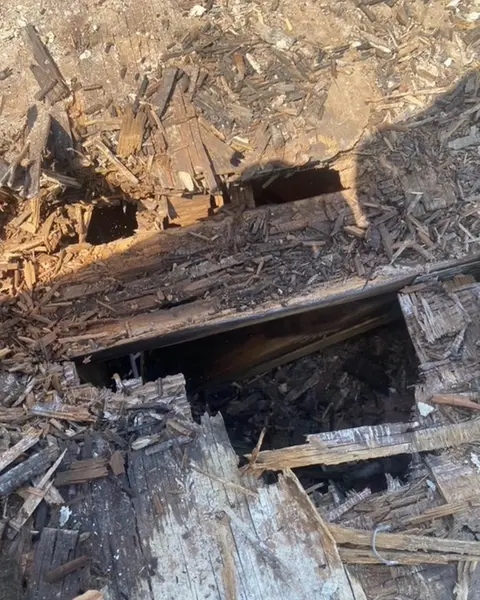
- Look in the attic on a sunny day. Daylight through the boards, water stains or damp insulation mean trouble.
- Watch the ceilings. New stains, especially after rain, point to leaks.
- Note any sagging lines along the ridge or across a slope.
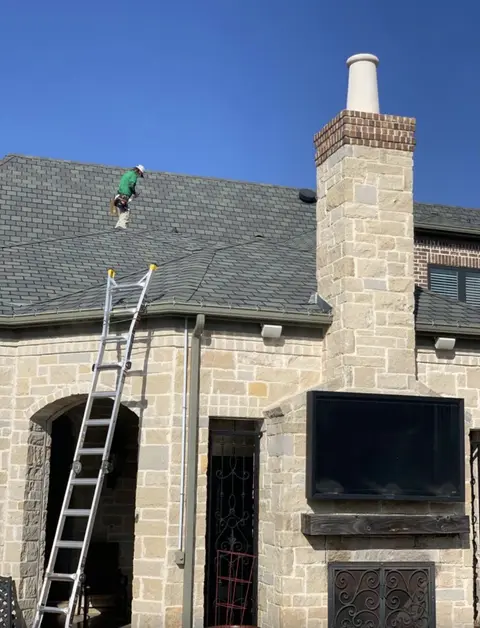
- Get a professional inspection that includes the decking underfoot, the flashing and every penetration.
Dark streaks alone do not mean a roof is failing. Guidance from the Asphalt Roofing Manufacturers Association describes algae discoloration, caused mainly by Gloeocapsa magma, as an aesthetic problem, and warns against high-pressure washing, which can strip granules. Our list of signs you need a new roof covers what does matter.
How can you make your roof last longer?
- Have the roof inspected once a year and after any major hail or wind event.
- Replace cracked pipe boots, loose flashing and missing shingles promptly.
- Keep gutters clean and trees trimmed back from the roofline.
- Make sure the attic is ventilated the way the shingle manufacturer requires.
- Never pressure-wash shingles.
- Keep records of every inspection and repair, which also helps on any future insurance claim.
A roof maintenance plan bundles those checks so they happen on schedule. Our roof maintenance checklist for Texas homeowners lists what to check each season.
What about flat and low-slope roofs?
Many North Texas homes have a low-slope section over a porch, patio or addition, and most commercial buildings have a low-slope roof. Those surfaces age differently from shingles. InterNACHI lists 7 to 20 years for TPO, 15 to 25 years for EPDM rubber and 20 years for modified bitumen, and both InterNACHI and the NAHB study put built-up or coal-and-tar roofs around 30 years.
Ponding water, foot traffic from HVAC service and failed seams are the usual reasons these roofs come up short. On a home, the low-slope section is often the first place a leak appears even when the shingled slopes are fine, so ask that it be checked on every inspection. Commercial owners can find more in our guide to flat roof systems.
Roof age when you buy or sell a house
Roof age comes up in almost every DFW home sale. Buyers' inspectors estimate remaining life, insurers ask for the roof's age before they write a policy, and a roof near the end of its range can become a negotiating point.
If you are selling, know your roof's installation year and keep every repair invoice; a documented roof is easier to discuss than a guess. If you are buying, ask the seller for the roof's age, any warranty paperwork and any past insurance claims, and get a roofer's opinion if the inspector flags the roof. Our guide on what to do when the roof comes up in a home inspection covers both sides.
Should you replace a roof before it fails?
Waiting until water comes through the ceiling is the most expensive way to find out a roof is done. Leaks damage decking, insulation and drywall, and emergency timing leaves no room to compare bids or choose materials. If an inspection shows widespread wear on a roof near the end of its range, planning a replacement in the next season or two is usually cheaper than reacting to a leak.
When age and condition say it is time
If your roof is near the end of its expected life and showing wear, start planning before leaks force the timing. Read repair or replace: an honest decision guide to weigh the options, and see our roof replacement page for what a full replacement involves. Verde Roofing installs Malarkey and Owens Corning shingles and gives free estimates.
Find out how many years your roof has left
A ground-level guess only goes so far. Chris will walk your roof with you, check the decking, flashing and shingles, photograph what he finds and give you a straight answer about how much life is left and what, if anything, it needs. Call or text (214) 687-1951, 24/7, or book a free roof inspection.
Questions people ask next
How long does a roof last in Dallas compared with the national average?
There is no published Dallas-specific lifespan figure we can point to. What the national charts say is that hot climates drastically reduce asphalt shingle life and hail can shorten any roof. In practice, plan on the lower end of the published range for asphalt in North Texas, and judge your own roof by its condition, not just its age.
Do impact-resistant shingles last longer?
Class 4 impact-rated shingles are built to resist hail better, which can mean fewer storm replacements over time. They still age in heat and UV like other asphalt shingles. Their main value in North Texas is hail performance, and some insurers offer a discount for them. Ask your agent before you choose a product.
How long does a roof replacement itself last before needing work?
A properly installed new roof should need little beyond periodic inspection for years. The first items that usually need attention are sealants and rubber pipe boots, which wear faster than shingles in Texas sun. A yearly look, and a check after any major storm, catches those small items before they leak.
Can I tell my roof's age without paperwork?
Sometimes. A roofer can often estimate a range from the shingle style, wear and how the roof was built, and some shingles carry manufacturing markings. Permit records from your city, the home's closing documents or a past inspection report are more reliable. Your insurance declarations page may also list a roof age or year.
Is a 15-year-old roof in Texas near the end?
Not necessarily. A 15-year-old architectural shingle roof with good ventilation and no hail damage may have years left; a 15-year-old 3-tab roof that has weathered several storms may not. Have it inspected and look at granule loss, brittleness, flashing and decking. Condition is the real answer.
Sources
Chris Grimes owns Verde Roofing in Plano, Texas, a locally owned residential and commercial roofer serving Dallas–Fort Worth. Verde is an NTRCA Accredited Member, an RCAT member and a Dallas Observer Best of Dallas Best Roofer winner (readers’ choice) in 2021, 2022 and 2023.
Keep reading
Related guides
 Repair or replaceRepair or Replace Your Roof? An Honest Decision GuideRepair when the roof is reasonably young, the damage is limited to one area and the rest of the roof is sound. Replace when the roof…Read the guide
 Repair or replace12 Signs You Need a New RoofThe clearest signs you need a new roof are age near the end of the material's expected life, curling or brittle shingles, heavy granule loss with…Read the guide
 Repair or replaceRoof Maintenance Checklist for Texas HomeownersA North Texas roof needs a professional inspection twice a year, ideally spring and fall, plus a check after every hail or high-wind storm. Between visits…Read the guide