TPO vs. Modified Bitumen, PVC and EPDM: Choosing a Flat Roof
 By Chris Grimes, owner of Verde RoofingPublished November 1, 2026 · 8 min read
In short
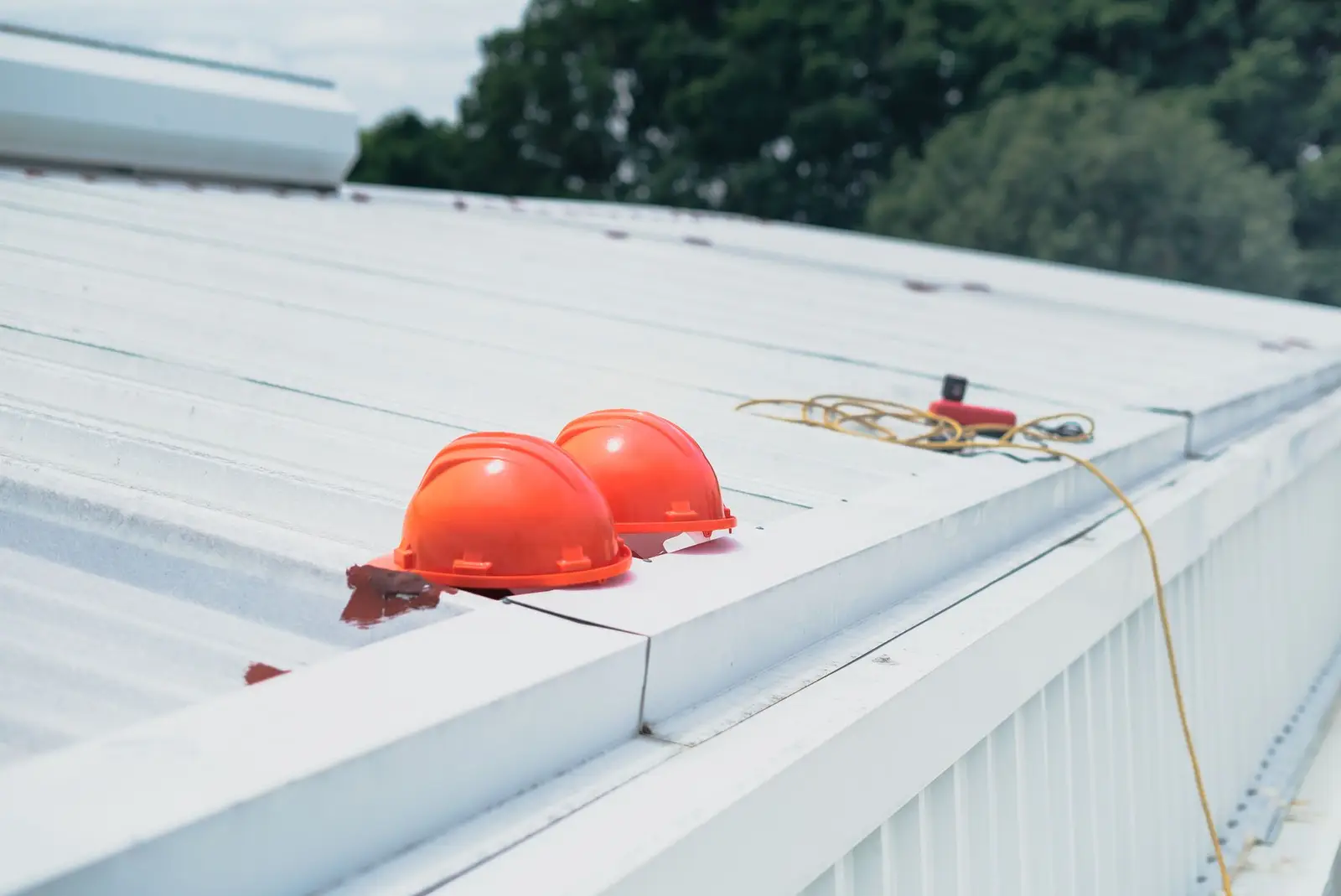
TPO is a white, heat-welded single-ply membrane that sits in the middle on price and is popular in Texas because it reflects sun. PVC costs more and resists grease and chemicals; EPDM is a durable rubber membrane, usually black; modified bitumen is a multi-layer asphalt system that takes foot traffic well. HomeGuide lists typical lifespans of 10–25 years for TPO, 15–25 for EPDM and 20–30 for PVC.
Key takeaways
- HomeGuide puts installed TPO at $4–$10 per square foot, EPDM at $3.50–$10, PVC at $5–$12 and modified bitumen at $4–$7.50.
- HomeGuide lists typical life expectancy of 10–25 years for TPO, 15–25 for EPDM and 20–30 for PVC; installation quality and maintenance move those numbers.
- White TPO and PVC reflect sunlight, which matters on a North Texas roof that bakes for months.
- PVC is the usual pick where grease or chemicals reach the roof, such as restaurant exhaust.
- Membrane thickness, insulation, attachment method and flashing details matter as much as the membrane type.
Your building needs a new roof, and the bids name four different systems. One contractor recommends TPO, another proposes modified bitumen, and a consultant mentions PVC because of the restaurant tenant. Each sounds reasonable. The question is which one fits your building, your tenants and a North Texas climate that delivers hail in spring and relentless sun all summer.
This guide compares the four most common low-slope systems in plain terms, with typical published costs and lifespans, and explains what matters more than the membrane name. Verde installs TPO systems on offices, convenience stores, warehouses and multi-family buildings, so that is the system we know best; the comparison of the others is general information to help you ask good questions.
What are the four main flat roof systems?
“Flat” roofs are really low-slope roofs, built with a slight pitch so water reaches drains or scuppers. Four membrane families cover most commercial buildings in DFW.
TPO (thermoplastic polyolefin) is a single-ply sheet, usually white, installed in wide rolls with seams welded together by hot air. It is mechanically fastened, fully adhered or ballasted over insulation.
PVC (polyvinyl chloride) is also a white, heat-welded single-ply membrane. It has a longer track record than TPO and holds up well to grease, oils and many chemicals.
EPDM (ethylene propylene diene monomer) is a synthetic rubber membrane, traditionally black. Seams are joined with tapes or adhesives rather than heat welding.
Modified bitumen is an asphalt-based system reinforced with polyester or fiberglass and installed in multiple layers. It can be torch-applied, cold-applied with adhesive, or self-adhered, and often has a granulated cap sheet.
How do the systems compare on cost and lifespan?
National cost guides give typical installed ranges, not quotes. HomeGuide’s TPO cost guide compares the single-ply membranes directly, and HomeAdvisor’s 2026 flat roof guide gives its own ranges.
| System | HomeGuide installed cost per sq ft | HomeAdvisor cost per sq ft | HomeGuide life expectancy |
|---|---|---|---|
| TPO | $4.00–$10.00 | $4–$14 | 10–25 years |
| EPDM | $3.50–$10.00 | $5–$13 | 15–25 years |
| PVC | $5.00–$12.00 | not broken out | 20–30 years |
| Modified bitumen | $4.00–$7.50 | $4–$8 | not listed |
These are national ranges. Your price depends on the size of the roof, tear-off, insulation thickness, the number of penetrations and curbs, access, and code requirements. For a fuller breakdown, see our guide to commercial roof replacement cost.
Lifespan ranges are wide for a reason. HomeGuide says TPO life depends on material quality and thickness, and in practice installation quality and maintenance matter just as much. A well-installed membrane that is inspected and repaired after storms will outlast a better product that is ignored.
Why is TPO so common on Texas commercial buildings?
TPO has become a default choice on many low-slope buildings for practical reasons:
- Reflective white surface. HomeGuide notes that white is the most common and most energy-efficient TPO color. On a North Texas roof, where summer sun hammers the membrane for months, a white surface absorbs much less heat than a black one, which helps the building below and the rooftop units.
- Heat-welded seams. Hot-air welding fuses the seams into one piece of membrane, rather than relying on glue or tape.
- Mid-range cost. HomeGuide places TPO between EPDM and PVC in price and durability.
- Thickness options. HomeGuide notes 45 and 60 mil are the most common thicknesses, and thicker sheets are available.
TPO is not perfect. HomeGuide points out that quality varies between manufacturers because it is a newer material than PVC or EPDM, and repairs on older, weathered TPO can be harder because aged membrane does not always weld cleanly. Those are reasons to choose the product and installer carefully, not reasons to avoid TPO.
When does PVC, EPDM or modified bitumen make more sense?
Each system has situations where it is the stronger candidate.
PVC is the usual answer where grease or chemicals reach the roof. A restaurant tenant’s exhaust fan can deposit grease that attacks some membranes over time; PVC tolerates it well. HomeGuide calls PVC the most expensive and most durable of the three single-ply options.
EPDM has a long history and flexes well through temperature swings. Black EPDM absorbs heat, which is a drawback in a Texas summer; white versions exist at higher cost. Seams depend on adhesive and tape quality.
Modified bitumen brings multiple layers of redundancy and a tough surface that tolerates foot traffic, which helps on roofs with heavy equipment service. HomeAdvisor lists it at $4–$8 per square foot. Torch-applied versions need careful fire-safety practice, and dark cap sheets absorb heat unless a reflective coating or white granules are used.
What matters more than the membrane name?
Two roofs with the same membrane can perform very differently. When you compare bids, look past the product name to these details:
- Membrane thickness. A 60 mil sheet and a 45 mil sheet are not the same roof.
- Insulation and cover board. Insulation type and thickness affect energy use, and a firm cover board under the membrane improves resistance to hail and foot traffic.
- Attachment method. Mechanically fastened, fully adhered and ballasted systems handle wind and movement differently.
- Drainage. Tapered insulation and well-placed drains prevent ponding, the slow killer of flat roofs.
- Flashing and details. Curbs, parapet walls, pipe penetrations and edge metal are where most leaks begin.
- Hail rating. Ask for the tested hail rating of the full assembly, not just the membrane.
- Warranty. Know whether you are getting a material-only warranty or a manufacturer system warranty, and what it requires from you. Our roof warranty guide explains the difference between product and workmanship coverage.
When I get on a flat roof, I go straight to the drains and the base of the rooftop units. Standing water and tired flashing tell you more about a roof’s future than the membrane brand ever will.
What does a good TPO installation look like?
Since TPO is the system most DFW building owners end up comparing, it helps to know what a careful installation involves. Whatever membrane you choose, ask the roofer to walk you through the equivalent steps.
- Prepared substrate. Wet or crushed insulation is removed, the deck is checked for rust or rot, and new insulation boards are laid with staggered joints. Tapered insulation is added where water has been ponding.
- Cover board where it makes sense. A firm board over the insulation gives the membrane a solid base against hail and foot traffic.
- Correct fastening pattern. Fastener spacing increases at corners and perimeters, where wind uplift is strongest, following the manufacturer’s specification.
- Clean, tested welds. Seams are welded with calibrated equipment and probed along their length. A good crew checks test welds at the start of each day because temperature and humidity change how the membrane welds.
- Flashing at every detail. Curbs, parapets, pipes, drains and edge metal are flashed with membrane and manufacturer accessories, not just sealant.
- Walkway pads along the paths service techs use to reach rooftop units.
Should you recover or tear off?
Many owners ask whether a new membrane can go over the existing roof. The honest answer depends on what is under the surface.
A recover can make sense when the existing insulation is dry, the deck is sound, and code allows another layer. It saves the cost and disruption of a full tear-off. It makes no sense when the insulation is wet, because trapped moisture keeps rotting the deck and degrading the new roof from below. HomeAdvisor’s flat roof guide lists old roof removal at $1 to $5 per square foot, so the decision has real budget weight; a moisture survey or a few core cuts is a small cost compared with getting it wrong.
How do you choose the right system for your building?
Work through these questions with your roofer before you look at price:
- What is on the roof? Restaurant exhaust points toward PVC; lots of HVAC traffic points toward thicker membranes or walkway pads.
- How long will you own the building? A long hold justifies a thicker membrane and better insulation.
- What is under the current roof? Wet insulation must come out. A moisture survey or core cuts settle whether you can recover or must tear off.
- What does your insurer or lender require? Some policies and lenders have roof requirements worth checking before you choose.
- What are your tenants’ needs? A multi-family building or office cannot tolerate a messy, noisy, open roof for long, so installation method and schedule matter.
If the roof is still sound, a coating might buy time instead; see roof coating vs. replacement for when that works and when it does not. For buildings managed by an HOA or property company, our guide to HOA and multi-family roofing covers scheduling and communication with residents.
How does North Texas weather affect a flat roof?
Three local factors deserve weight in your decision.
Hail. Spring hail is a fact of life in Dallas–Fort Worth, and those storms can puncture or bruise membranes and crush insulation underneath. Our DFW hail season guide explains the timing. After any significant storm, have the roof inspected; our guide to hail damage on a commercial roof covers what that inspection and the insurance process look like.
Heat and UV. Long, hot summers age membranes and expand and contract them daily. Reflective surfaces and good insulation reduce that stress.
Heavy rain bursts. Intense downpours test drainage. Clear drains and proper slope matter as much as the membrane.
NRCA recommends inspecting roof systems at least twice a year, preferably spring and fall, and after severe weather such as hailstorms. That schedule fits North Texas perfectly. Our guide to commercial roof inspections and maintenance lays out a full program.
Want a TPO bid for your building?
Verde installs TPO roofing on offices, convenience stores, warehouses and multi-family buildings across Dallas–Fort Worth. Learn more about our commercial roofing service, then call or text (214) 687-1951, 24/7, or book a free roof inspection for a written estimate.
Questions people ask next
How long does a TPO roof last in Texas?
HomeGuide lists 10 to 25 years for TPO on average, depending on material quality and thickness. In North Texas, heat, UV and hail are the main stresses, so membrane thickness, a good installation with sound welded seams, and regular inspections after storms decide where in that range your roof lands.
Is TPO or EPDM better for hail?
Both can be damaged by large hail, and both can be made more resistant with a thicker membrane and a firm cover board under it. Rather than picking by membrane alone, ask for the assembly’s tested hail rating, such as an FM Approvals hail classification, and what the manufacturer warranty says about hail.
Can you put a new TPO roof over an old flat roof?
Sometimes. Building codes limit how many roof layers are allowed, and wet insulation must come out because it ruins the new roof from below. A core cut or moisture survey shows whether a recover is possible. When it is, it can save tear-off cost; when it is not, recovering just traps the problem.
What is the difference between 45 mil and 60 mil TPO?
Mil is thickness in thousandths of an inch. HomeGuide notes 45 and 60 mil are the most common TPO thicknesses. Thicker membrane costs more but has more material above the reinforcing scrim, which helps with long-term weathering, punctures and foot traffic. Many owners in hail country choose 60 mil or thicker.
Can a flat roof be coated instead of replaced?
If the membrane is still sound and the insulation is dry, a compatible coating can add years and reflectivity. If the roof is wet, blistered or failing at the seams, a coating hides problems rather than fixing them. A moisture survey and core samples tell you which situation you are in.
Sources
Chris Grimes owns Verde Roofing in Plano, Texas, a locally owned residential and commercial roofer serving Dallas–Fort Worth. Verde is an NTRCA Accredited Member, an RCAT member and a Dallas Observer Best of Dallas Best Roofer winner (readers’ choice) in 2021, 2022 and 2023.
Keep reading
Related guides
 Commercial roofingCommercial Roof Replacement Cost: What Building Owners Should BudgetNational cost guides put a TPO flat roof at roughly $4 to $14 per square foot installed, with HomeGuide citing $5 to $12 once tear-off, insulation…Read the guide
 Commercial roofingRoof Coating vs. Replacement for Flat Commercial RoofsA coating can extend a flat commercial roof only when the existing membrane is still sound, the insulation underneath is dry and the roof drains. The…Read the guide Commercial roofingCommercial Roof Inspections and Maintenance Programs for Property ManagersNRCA recommends inspecting roof systems at least twice a year, preferably in spring and fall, and again after severe weather such as hail. In North Texas…Read the guide