The Roof Came Up in the Home Inspection: What Sellers and Buyers Should Do
 By Chris Grimes, owner of Verde RoofingPublished August 21, 2026 · 8 min read
In short
A roof marked “Deficient” on a Texas inspection report is not a verdict that the roof must be replaced. TREC inspectors must report many minor items and are not required to judge remaining life or find latent hail damage. Get a roofer's inspection with photos and a written estimate during the option period, then choose between a repair, a credit, a price change or a replacement.
Key takeaways
- Texas home inspectors follow TREC standards that require reporting flashing, fastener and covering problems but do not require estimating the roof's remaining life or identifying latent hail damage.
- A roofer's inspection adds what the home inspector does not: remaining-life opinion, layer count, storm damage assessment and a priced repair or replacement scope.
- In the TREC resale contract, the buyer's option period gives an unrestricted right to terminate, with notices due by 5:00 p.m. local time.
- If the seller agrees to repairs, the TREC contract requires them to be done by licensed or commercially engaged tradespeople, with permits, documentation and transfer of transferable warranties.
- Sellers disclose what they know on the TREC seller's disclosure form, which asks about roof type, age, defects and previous roof repairs.
The inspection report arrives, and the roof section is full of red. Maybe it says "Deficient" next to roof covering, or "recommend evaluation by a qualified roofing contractor." If you are the seller, you are wondering what this will cost you. If you are the buyer, you are wondering whether you just found a reason to walk away.
Take a breath. A flagged roof is one of the most common items in a Texas home sale, and most of the time it ends in a reasonable repair or a fair credit, not a lost deal. This guide explains what the home inspector actually checked, what a roofer adds, and how buyers and sellers in Plano, Frisco, Dallas and the rest of DFW usually work it out.
What does a Texas home inspector check on the roof?
Licensed home inspectors in Texas follow the Texas Real Estate Commission (TREC) standards of practice. For roof coverings, 22 Texas Administrative Code §535.228(c) says the inspector shall inspect the roof covering from the surface of the roof and report the type of covering, the vantage point used, evidence of water penetration, and evidence of previous repairs to the covering, flashing, skylights and other penetrations. The inspector must report as Deficient problems with fasteners, adhesion, the covering itself, flashing details, skylights and other penetrations.
Just as important is what the rule says the inspector is not required to do:
- Walk the roof if it cannot be done safely or would damage the covering (common on steep two-story roofs and tile).
- Determine the remaining life expectancy of the roof covering.
- Determine the number of layers.
- Identify latent hail damage.
- Exhaustively examine every fastener or provide a complete list of every deficiency.
The same rule covers the attic, where inspectors report water penetration and deficiencies such as poor ventilation or decking problems.
Does "Deficient" mean the roof needs replacing?
No. "Deficient" on a TREC report means the inspector saw a condition the standards require them to report. That can be a single exposed nail head, a pipe boot with a small crack, a missing kick-out flashing, a lifted shingle, or a genuinely worn-out roof. The report form uses the same word for all of them.
Because inspectors are not required to estimate remaining life or identify hail damage, the report often ends with "further evaluation by a roofer recommended." That sentence is not a red flag on its own; it is the inspector staying within their scope.
Why get a roofer's inspection?
A roofer fills the gaps the TREC standards leave open. A thorough roofing inspection should give you:
- An opinion on remaining life, based on material, age, granule loss, brittleness and the North Texas sun exposure the roof has seen.
- A storm damage assessment. Hail bruising and wind creases that an inspector is not required to find.
- The number of layers and the condition of the decking where it can be checked.
- Photos of every issue, so both sides of the deal see the same evidence.
- A written scope and price: what it takes to fix each item, or what a replacement would cost.
HomeGuide's December 2025 guide puts typical roof inspections at about $100 to $400 nationally. We offer free inspections; when Chris inspects a roof for a home sale, he walks it with whoever is there, the owner, the buyer or an agent, and shows them what he finds.
When I inspect a roof for a sale, I separate the report into three buckets: things that are leaking or will soon, things that are normal wear for the roof's age, and things that are cosmetic. That split is usually what gets a deal back on track.
What can buyers do during the option period?
In the TREC One to Four Family Residential Contract (Resale), form 20-19, paragraph 5B gives the buyer who pays the option fee the unrestricted right to terminate within the number of days written into the contract (the option period). Notices under that paragraph must be given by 5:00 p.m. local time where the property is located. Time is tight, so book the roofer as soon as the inspection report arrives.
A buyer's practical sequence:
- Read the roof and attic sections of the inspection report and note every roof item.
- Schedule a roofer's inspection within the first days of the option period.
- Ask for photos and a written estimate split into repairs and, if relevant, a replacement price.
- Decide what matters: active leaks and storm damage first, cosmetic items last.
- Through your agent, propose a repair amendment, a credit, a price change, or terminate before the deadline.
Paragraph 7D also makes clear that accepting the property "As Is" does not stop a buyer from inspecting, negotiating repairs in an amendment, or terminating during the option period.
What should sellers do when the roof is flagged?
Sellers have more control than it feels like. Start with the facts: get your own roofer's inspection so you are not negotiating against a vague line on someone else's report.
Disclosure
The TREC Seller's Disclosure Notice (form OP-H) asks the seller to list the roof type and approximate age, whether the seller is aware of defects in the roof, and whether there has been a previous structural or roof repair. Disclose what you know. A roof repaired after a leak five years ago belongs on the form; hiding it creates far bigger problems than the repair itself.
If you agree to repairs
Paragraph 7F of the TREC resale contract says agreed repairs must be completed before closing unless otherwise agreed, with any required permits. They must be performed by persons licensed to do them or, where no license is required by law, persons commercially engaged in that trade. The seller must give the buyer documentation showing the scope of work and payment, and arrange the transfer of any transferable warranties at closing. Texas does not require a state license for roofers (the Roofing Contractors Association of Texas runs a voluntary licensing program instead), so "commercially engaged in the trade" means a real roofing company, not a handyman with a tube of caulk.
A pre-listing roof inspection
If you have not listed yet, the cheapest moment to deal with the roof is before a buyer's inspector finds it. A roofer's inspection a few weeks before listing lets you fix small items such as pipe boots, loose flashing or a few wind-lifted shingles on your own schedule and at your own price, and keep the receipts to show buyers. If the roof is near the end of its life, you can decide calmly whether to replace it, price the house to reflect it, or offer a credit, instead of making that call under a short option-period deadline. Many HOAs in planned communities around Plano, Frisco and McKinney also require approval of shingle color before a replacement, which takes time you will not have once a contract is signed.
Repair, credit, price cut or replacement: which option fits?
| Option | When it fits | Watch out for |
|---|---|---|
| Seller repairs before closing | Specific items: pipe boots, flashing, a few shingles, minor leaks | Get a written scope and receipt; buyer may want to see the work |
| Credit or seller-paid closing costs | Buyer prefers to choose their own roofer later | Lender limits on credits; buyer pays the full job later |
| Price reduction | Roof near end of life, both sides agree on a number | Based on a real estimate, not a guess |
| Full replacement before closing | Roof is worn out or storm damaged and buyer's lender or insurer requires it | Timing, material choice, permit and HOA approval |
| Sell as is, no change | Price already reflects the roof's condition | Buyer may terminate during the option period |
Whatever you choose, base the number on a written estimate after an inspection, not a guess. Our roof cost calculator gives a ballpark, and our guide on how to read a roofing estimate helps both sides compare quotes.
What if the roof has hail damage?
DFW sees hail most springs, so storm damage turns up in sale inspections often. The insurance claim belongs to the policyholder who owned the home when the storm hit; it does not transfer with the deed by default. If a roofer finds hail or wind damage during a sale, the seller should talk with their insurer and agent before anyone assumes who files, who gets paid or how the money is used. A buyer should not count on a claim that does not exist yet.
Our guides on signs of hail damage on a roof and our roof repair page explain what real storm damage looks like and how it is fixed.
Mistakes buyers and sellers make with the roof
- Treating every "Deficient" line as a replacement. Most are repair items.
- Letting the option period run out while waiting for a roofer.
- Accepting a caulk-only "repair" for flashing or pipe boot problems. It may not survive the first summer.
- Replacing the roof without telling the buyer what was installed. Buyers want the brand, product, warranty paperwork and permit.
- Assuming a new roof pays for itself. The 2025 Cost vs. Value report shows asphalt roof replacement in the West South Central region recouping about 68.1 percent of its cost at resale. Our guide to whether a new roof adds home value covers this in depth.
If you are not sure whether the roof is near the end, our 12 signs you need a new roof, the repair or replace decision guide and how long a roof lasts in Texas give you an honest baseline. If replacement is the answer, our roof replacement page explains how we work.
Get a roofer's answer before the deadline
Option periods are short. Call or text (214) 687-1951, 24/7, or book a free roof inspection. Chris will inspect the roof, photograph every item the home inspector flagged and anything they could not see, and give you a written repair or replacement estimate you can put in front of the other side.
Questions people ask next
Does a seller have to replace the roof before selling a house in Texas?
No. Texas does not require a seller to replace a roof to sell. Repairs are a negotiation between buyer and seller, and the TREC contract lets them agree to specific repairs, sell as is, or adjust the deal. Lenders and insurers can add their own requirements, so a roof in very poor condition may still need attention before closing.
Should the buyer or the seller pay for a roofer's inspection?
Whoever wants the information usually arranges it. Buyers often bring in a roofer during the option period to understand the cost before negotiating. Sellers sometimes get a pre-listing roof inspection so there are no surprises. Many roofers, including Verde, offer free inspections; HomeGuide puts paid roof inspections at about $100 to $400.
What is a roof certification, and do I need one?
A roof certification is a roofer's written statement of the roof's condition and expected remaining life, sometimes requested by buyers, lenders or insurers. Texas does not require one for a sale. If one is requested, ask exactly what it promises, how long it lasts and whether it is backed by a repair commitment, because the term means different things to different companies.
Can a buyer get the seller's insurance claim money for hail damage?
Not automatically. The insurance claim belongs to the policyholder who owned the home when the storm hit, and the money is paid under that policy. If storm damage is found during a sale, the buyer and seller should talk with their agents, and the seller with their insurer, before assuming anything about who files, who is paid or how the money is used.
Will a new roof help my house sell for more?
It can help a house sell faster and avoid repair negotiations, but it rarely returns its full cost. The 2025 Cost vs. Value report puts asphalt roof replacement in the West South Central region, which includes Texas, at about 68 percent of cost recouped at resale. In many sales, a sound roof with a clean roofer's report removes the objection without the cost of a full replacement.
Sources
- 22 Tex. Admin. Code § 535.228: TREC standards of practice, structural systems (roof covering)
- TREC No. 20-19: One to Four Family Residential Contract (Resale)
- TREC No. OP-H: Seller's Disclosure Notice
- HomeGuide: Roof inspection cost (December 2025)
- Cost vs. Value 2025: West South Central region
- Roofing Contractor: RCAT's voluntary licensing program in Texas
Chris Grimes owns Verde Roofing in Plano, Texas, a locally owned residential and commercial roofer serving Dallas–Fort Worth. Verde is an NTRCA Accredited Member, an RCAT member and a Dallas Observer Best of Dallas Best Roofer winner (readers’ choice) in 2021, 2022 and 2023.
Keep reading
Related guides
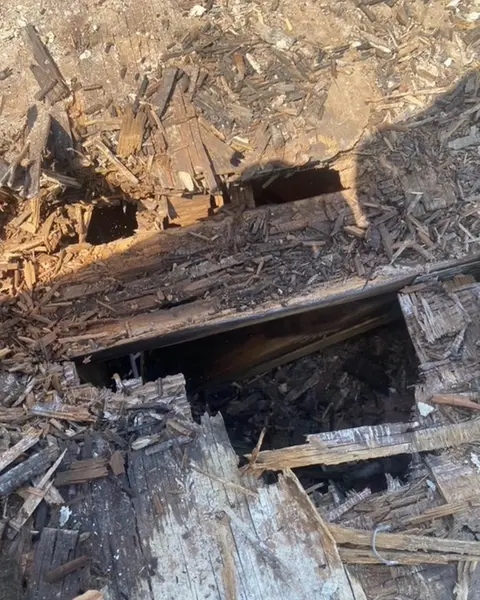 Repair or replace12 Signs You Need a New RoofThe clearest signs you need a new roof are age near the end of the material's expected life, curling or brittle shingles, heavy granule loss with…Read the guide
 Repair or replaceRepair or Replace Your Roof? An Honest Decision GuideRepair when the roof is reasonably young, the damage is limited to one area and the rest of the roof is sound. Replace when the roof…Read the guide
 Cost & financingDoes a New Roof Add Home Value or Lower Your Insurance in Texas?A new roof adds value but rarely returns its full cost: the 2025 Cost vs. Value report estimates an asphalt shingle roof recoups 68 percent at…Read the guide