
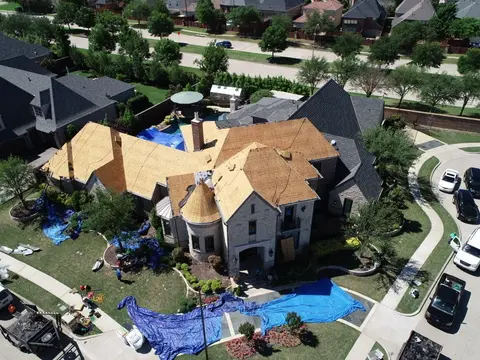
Hail Damage on a Commercial Roof: Inspection and the Insurance Claim
 By Chris Grimes, owner of Verde RoofingPublished September 14, 2026 · 8 min read
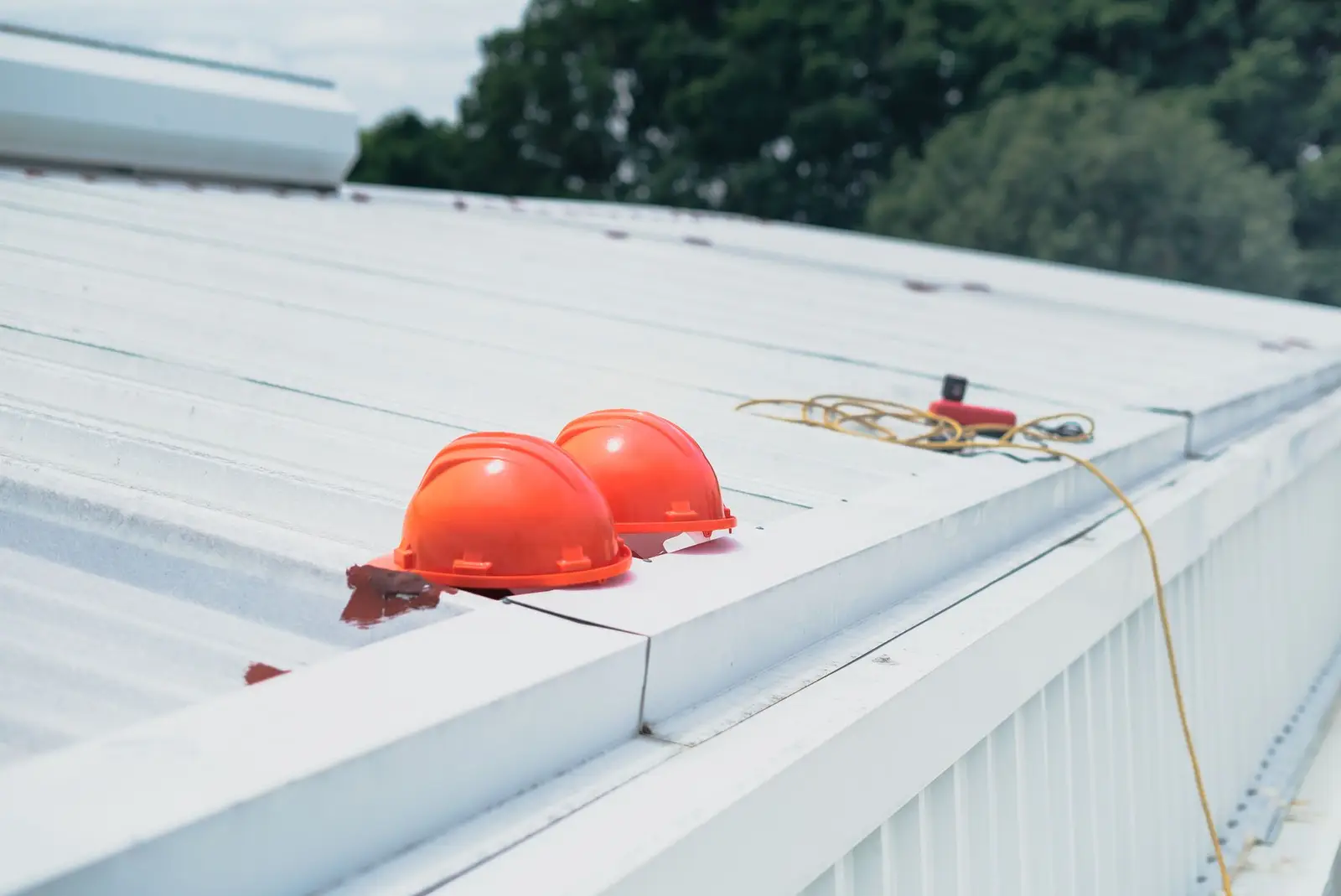
In short
After hail, get the roof inspected quickly, protect the building from further water, and document everything with dated photos. Read your policy for the claim deadline, the wind and hail deductible and whether the roof is covered at replacement cost or actual cash value. You or a licensed public adjuster deal with the insurer; a Texas roofer may not. The roofer inspects, documents, meets the adjuster to show the damage and writes the repair estimate.
Key takeaways
- Hail damage on a flat roof often hides in the membrane and insulation, so a close inspection with photos and core checks matters more than a look from the hatch.
- Texas Insurance Code §4102.163 bars a contractor from acting as a public adjuster on a property it works on; only a licensed public adjuster or attorney can represent the owner.
- TDI says insurers must acknowledge a claim within 15 business days and decide within 15 business days after getting what they need, with possible extensions.
- A percentage wind and hail deductible is calculated on the insured value, not the size of the claim, which can be a large figure on a commercial building.
- Texas Insurance Code §542A.003 requires written notice at least 61 days before filing suit on a covered claim.
A hailstorm rolls across your part of Dallas–Fort Worth at four in the afternoon. By morning, a tenant reports a drip over a workstation, the HVAC company mentions dented units, and your owner wants to know whether this is an insurance claim. You need a plan before the phone calls start.
This guide walks through what hail does to a commercial flat roof, what a proper inspection documents, and how the insurance process works in Texas for an office, retail center, convenience store, warehouse or multi-family building. It is general information; your policy and, if needed, a licensed public adjuster or attorney govern your specific claim.
What does hail do to a commercial flat roof?
Hail damage on a low-slope roof is harder to see than on a shingle roof. The field of membrane can look fine from the roof hatch while damage sits in the surface or underneath it.
Common hail damage on commercial roofs:
- Fractures and punctures in single-ply membranes such as TPO, PVC and EPDM, often small and star-shaped
- Crushed insulation under the membrane, which leaves soft spots and can separate the membrane from the board
- Damaged seams and flashing, where impact stresses already-stressed areas
- Granule loss and cracking on modified bitumen cap sheets
- Dented edge metal, coping, vents and rooftop units, which also help confirm hail size and direction
- Broken skylights and damaged drains or strainers
Older, weathered membranes and roofs without a firm cover board tend to suffer more. Our comparison of TPO and other flat roof systems explains how system choice affects hail resistance.
What should you do in the first 48 hours after hail?
The first two days set up everything that follows. Work through this list:
- Keep people safe. Do not send staff onto a wet, damaged roof without fall protection.
- Stop active leaks inside. Move equipment and inventory, protect electrical, and contain water.
- Photograph everything. Ceiling stains, wet floors, damaged inventory, dented equipment, hail on the ground, with dates.
- Call a roofer for an inspection and temporary repairs. The Texas Department of Insurance advises preventing further damage with a tarp or temporary repairs.
- Save receipts for emergency work, cleanup and any equipment rental.
- Pull your policy. Find the notice requirements, the wind and hail deductible, and whether the roof is covered at replacement cost or actual cash value.
- Report the claim to your insurer or agent when you are ready, within your policy’s deadline.
- Notify tenants and ownership about what happened and what comes next.
Verde provides 24-hour emergency service for storm damage. See our storm and hail damage page and the guide to emergency roof tarping for what temporary protection involves.
What does a commercial roof hail inspection include?
A proper storm inspection is detailed and methodical, because the photos and notes become the evidence for any claim.
| Area | What gets checked | Why it matters |
|---|---|---|
| Rooftop units and soft metal | Dents on fins, housings, caps, edge metal | Confirms hail size and direction |
| Field membrane | Fractures, punctures, bruising, soft spots | Shows whether the roof surface itself is damaged |
| Insulation | Crushed or wet boards, often by core sample | Hidden damage drives repair vs. replacement |
| Seams and flashing | Open laps, cracked flashing at curbs and walls | Common leak points after impact |
| Drains and skylights | Broken strainers, cracked domes | Water management and safety |
| Interior | New stains, leaks, deck staining | Links roof damage to building damage |
The report should include photos with location references, a roof plan showing where damage was found, and a description of the extent across the roof. When the roof was inspected before the storm, comparing the two reports helps show what is new. Our guide to commercial roof inspections and maintenance explains why a baseline matters.
On a commercial roof after hail, I start with the rooftop units and edge metal, then work across the membrane in a grid so nothing gets missed. A dent on a condenser fin tells you what the membrane next to it went through.
Who talks to the insurance company?
You do, or someone licensed to represent you. This is one of the most important rules in Texas, and many building owners do not know it.
Texas Insurance Code §4102.051 says a person may not act as a public insurance adjuster unless licensed, with exemptions for licensed attorneys and, in limited cases, the agent who issued the policy. Texas Insurance Code §4102.163 bars a contractor from acting as a public adjuster, or advertising to adjust claims, on any property where it provides or may provide contracting services. The Texas Department of Insurance lists prohibited conduct, including offering to negotiate settlements or telling the insurer the contractor represents the policyholder.
So a roofer that promises to “take care of the insurance” for your building is offering something Texas does not allow. Here is how responsibilities divide properly:
- You, the owner or manager: report the claim, communicate with the insurer, decide whether to accept a settlement, and pay the deductible.
- A licensed public adjuster or attorney (optional): represents you with the insurer if you choose to hire one.
- The roofer: inspects, documents with photos, meets the adjuster on site to show the damage it found, writes the repair estimate, explains the process and does the work.
That is exactly the role Verde plays. Chris inspects the roof, documents damage with photos, meets the adjuster on site, and explains repair versus replacement before a claim is filed. You own the claim. Our guide to the insurance adjuster’s roof inspection covers what to expect at that meeting.
How do deductibles and depreciation affect a commercial claim?
Two policy terms often decide how much money actually reaches the roof.
Percentage wind and hail deductibles. Some property policies state the wind and hail deductible as a percentage of insured value. The Texas Office of Public Insurance Counsel explains, in its guide to residential deductibles, that the percentage is calculated on the amount of coverage, not the amount of the claim, and gives an example where a 5 percent deductible on $200,000 of coverage exceeds a $7,000 hail claim entirely. The same arithmetic on a building insured for millions produces a large deductible, so know your number before the storm.
Texas Insurance Code chapter 707 requires the policyholder to pay the deductible, and Texas Business and Commerce Code §27.02 makes it an offense for a contractor paid from insurance to waive, absorb or rebate it. The Texas Department of Insurance states the same rule plainly. Our roof deductible guide has more detail.
Actual cash value vs. replacement cost. Some commercial policies pay replacement cost; others pay actual cash value on roofs, which subtracts depreciation for age. Under a replacement cost policy, the insurer may pay in two stages, with the held-back amount released after the work is done. See ACV vs. RCV and depreciation.
What deadlines apply to a Texas hail claim?
There are three kinds of deadlines to keep in mind.
Your policy’s deadlines. The policy sets when you must report a loss and any time limits after the date of loss. Read it now. Our guide on how long you have to file a roof claim in Texas explains how to find that language.
The insurer’s deadlines. The Texas Department of Insurance says insurers have 15 business days to acknowledge a claim and 15 business days after getting what they need to decide whether to pay. They can extend the decision by 45 days with an explanation, TDI can extend deadlines by 15 more days after a weather-related catastrophe, and once the insurer agrees to pay it must pay within five business days. TDI’s guidance is written for consumers, so ask your agent how these rules apply to your commercial policy.
Lawsuit notice. If a dispute ends up in court, Texas Insurance Code §542A.003 requires the claimant to give written notice at least 61 days before filing suit, describing the claim, the amount owed and attorney’s fees, with limited exceptions.
Repair or replace after hail?
Not every hail event means a new roof. The answer depends on how widespread the damage is and what is under the surface.
Repair usually makes sense when damage is limited to a few areas, the insulation below is dry and firm, and the membrane is otherwise in good condition for its age. Punctures can be patched, flashing replaced and dented edge metal swapped out.
Replacement becomes the stronger option when fractures are spread across the field, insulation is crushed or wet in many places, or the roof was already near the end of its life and patches would not hold. Wet insulation is the deciding factor more often than owners expect, because it keeps damaging the deck and the new membrane above it.
Your roofer’s job is to show the evidence and explain the options, before any claim is filed if possible. The insurer decides what it will pay; you decide what to do with your building. If replacement is on the table, our commercial roof replacement cost guide explains what drives the budget and how to compare bids, and a coating is rarely the right answer on a roof with storm-damaged insulation.
What if the adjuster’s estimate seems low?
It happens, especially when damage to insulation or seams was not fully seen. Start with the facts:
- Compare the adjuster’s scope line by line with the roofer’s estimate.
- Provide the inspection report, photos and core sample results that support any missing items.
- Ask the insurer for a reinspection if damage was missed.
- Review your policy for appraisal or other dispute options.
- Consider hiring a licensed public adjuster or attorney if the gap is large.
Our guides to roof insurance supplements and denied roof claims explain the next steps in more depth, and the Texas roof insurance claim process lays out the full timeline.
Hail on your building?
Verde roofs offices, convenience stores, warehouses and multi-family buildings across Dallas–Fort Worth, with TPO systems and 24-hour emergency service. Learn more about our commercial roofing service, then call or text (214) 687-1951, 24/7, or book a free roof inspection.
Questions people ask next
How do I know if hail damaged my flat roof?
Look for dents on rooftop units, vents and edge metal, which show hail size and direction. On the membrane, damage can be fractures, punctures or soft spots where insulation was crushed. Many marks are hard to see from standing height, so have a roofer inspect closely, photograph findings and check suspect areas.
How long do I have to file a commercial hail claim in Texas?
Your policy sets the deadline for reporting a claim, so read it now, before you need it. Many policies require prompt notice and set a time limit after the date of loss. Separately, Texas Insurance Code §542A.003 requires written notice at least 61 days before filing a lawsuit over a claim.
Can my roofer talk to the insurance adjuster?
Your roofer can meet the adjuster on site to show the damage it documented and explain its repair estimate. It cannot represent you, negotiate a settlement for you or advertise that it will, under Texas Insurance Code §4102.163. If you want a representative, hire a licensed public adjuster or an attorney.
Will the insurance company replace the whole roof or just repair it?
It depends on the extent of damage, the roof system and your policy. Some losses are repairable; widespread damage to membrane and insulation may justify replacement. The adjuster decides what the insurer will pay, and you decide whether to accept, ask for reinspection, or use your policy’s dispute options.
Should I do emergency repairs before the adjuster comes?
Yes, to prevent further damage, which TDI advises. Keep it temporary, such as patching punctures or tarping, photograph the damage before and after, and save every receipt. Avoid permanent repairs or replacement before the adjuster sees the roof unless your insurer agrees in writing.
Sources
- Texas Department of Insurance: Roofing and insurance, know the law
- Texas Department of Insurance: Getting your insurance claim paid
- Texas Insurance Code §4102.051: Public adjuster license required
- Texas Insurance Code §542A.003: Notice required before suit
- Texas Office of Public Insurance Counsel: Decoding residential property deductibles
- Texas Business and Commerce Code §27.02
Chris Grimes owns Verde Roofing in Plano, Texas, a locally owned residential and commercial roofer serving Dallas–Fort Worth. Verde is an NTRCA Accredited Member, an RCAT member and a Dallas Observer Best of Dallas Best Roofer winner (readers’ choice) in 2021, 2022 and 2023.
Keep reading
Related guides
 Commercial roofingCommercial Roof Inspections and Maintenance Programs for Property ManagersNRCA recommends inspecting roof systems at least twice a year, preferably in spring and fall, and again after severe weather such as hail. In North Texas…Read the guide
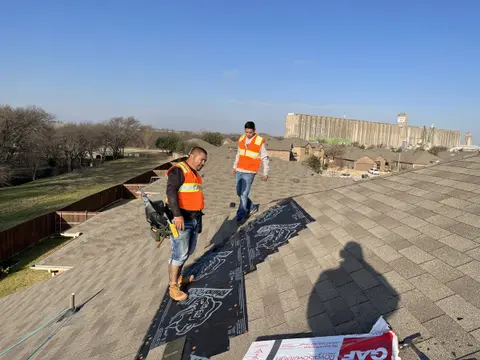 Insurance claimsThe Insurance Adjuster's Roof Inspection: What to Expect and How to PrepareThe adjuster walks the roof, counts hail hits in test areas, checks soft metals, slopes and interior damage, measures the roof and writes an estimate. You…Read the guide Insurance claimsHow a Roof Insurance Claim Works in Texas, Step by StepA Texas roof claim runs in order: protect the home, get the roof inspected and documented, report the claim, meet the adjuster, receive the insurer's decision…Read the guide