Roof Color, Cool Roofs and Your Electric Bill in Texas
 By Chris Grimes, owner of Verde RoofingPublished August 5, 2026 · 8 min read
In short
Yes, a more reflective roof usually lowers cooling costs in a hot climate, but by less than many sales pitches suggest. The U.S. Department of Energy says a cool-color roof can cut cooling costs by at least 5 to 20 percent, with the most savings in hot climates. Asphalt shingles are among the least reflective roof types, so attic insulation, ventilation and duct location often matter as much as color.
Key takeaways
- A roof’s coolness comes from solar reflectance and thermal emittance, both rated from 0 to 1, and the Cool Roof Rating Council publishes initial and three-year aged values.
- The U.S. Department of Energy says a cool-color roof can trim cooling costs by at least 5 to 20 percent, with savings greatest in hot climates.
- Even cool asphalt shingles are typically at or below 0.30 solar reflectance, according to the Department of Energy, far below white membranes.
- ENERGY STAR stopped certifying roof products on June 1, 2022, so look for Cool Roof Rating Council ratings instead.
- It is rarely worth replacing a sound roof just for color; make the choice when the roof is due anyway.
It is July in Plano, the upstairs bedrooms will not cool down, and the electric bill is the highest of the year. If your roof is due for replacement, it is natural to wonder whether a lighter color or a “cool roof” would help.
It can, and the research behind it is solid. But the gains on a shingle roof are more modest than on a flat white commercial roof, and several other parts of the house affect your bill as much as the color does. Here is what the evidence supports.
Does roof color really affect cooling costs?
Yes. A dark roof absorbs more sunlight, gets hotter and passes more of that heat into the attic and the rooms below. A reflective roof stays cooler in the sun.
The U.S. Department of Energy’s consumer guide to cool roofs says that installing a cool-color roof on a home can shave at least 5 to 20 percent from the cooling portion of the energy bill, with the biggest savings in hot and warm climates. It also says that in warm or hot climates a cool roof can reduce the annual air-conditioning energy use of a single-story building by up to 15 percent. The U.S. Environmental Protection Agency reports that in air-conditioned homes, a cool roof can reduce peak cooling demand by 11 to 27 percent.
Those numbers come with conditions. They depend on the building, the climate and how reflective the roof actually is. A two-story Frisco home with a well-insulated attic will see less change from roof color than a single-story ranch with thin insulation and ducts in the attic.
What makes a roof “cool”?
Two measured properties, according to the Department of Energy:
- Solar reflectance: the fraction of sunlight the surface reflects, from 0 to 1.
- Thermal emittance: how efficiently the surface releases the heat it does absorb, also from 0 to 1.
Higher is cooler on both scales. The Department of Energy says a white or special cool-color roof can reflect up to 90 percent of the sunlight that hits it. A third number, the Solar Reflectance Index (SRI), combines the two into one score that some building codes use.
Reflectance drops as a roof weathers and collects dirt. The Department of Energy recommends basing savings on long-term values, and the Cool Roof Rating Council tests products when new and again after three years of outdoor weathering.
How reflective are shingles compared with other roofs?
This is where expectations need adjusting. The Department of Energy calls asphalt shingle roofs among the least reflective roof types, and says current cool asphalt shingles typically have solar reflectance of 0.30 or lower. White commercial membranes and coatings can reflect much more.
| Roof type | Typical reflectance picture | Source |
|---|---|---|
| Conventional dark asphalt shingle | Among the least reflective roof types | DOE |
| Cool asphalt shingle | Solar reflectance typically 0.30 or lower | DOE |
| Darker shingle with cool granules | Reflects about 20 to 25 percent of sun’s energy, vs. 3 to 12 percent for traditional black granules (manufacturer claim) | Malarkey |
| White or cool-color roof, best case | Reflects up to 90 percent of sunlight | DOE |
Cool roof products exist for steep roofs in several materials. The Department of Energy lists cool asphalt shingles, clay tile, concrete tile and metal. The EPA adds light-colored shingles and metal with reflective paint. Our guide to metal roofs versus shingles covers metal, which offers some of the most reflective finishes for homes, and our metal roofing page explains the options.
Do I have to choose a white roof?
No. Reflective granules allow some darker colors to perform better than standard shingles of the same shade. Malarkey, for example, says its Highlander Cool shingles use 3M cool roofing granules with a coating that boosts the reflectivity of darker colors. Owens Corning sells a COOL Roof Collection with solar-reflecting granules. Both manufacturers aim much of this at California’s Title 24 cool roof code, and both note that colors are not available in every region, so ask what is stocked in North Texas.
If you are choosing between those two brands, see our fair comparison of Malarkey and Owens Corning shingles.
A lighter standard color, such as a light gray or weathered wood tone, is also a step in the right direction even without a cool rating. Two practical cautions for lighter roofs: they show dirt and algae streaks more readily, so algae-resistant granules are worth asking about, and your HOA’s approved color list may limit the choice.
How do I check a shingle’s rating now that ENERGY STAR is gone?
ENERGY STAR used to certify reflective roof products. According to the Cool Roof Rating Council, that program officially ended on June 1, 2022, and no roofing products are certified to ENERGY STAR after that date. Older marketing materials may still mention it.
The Cool Roof Rating Council (CRRC) is the place to look now:
- Get the exact product line and color name from your roofer.
- Search the CRRC Rated Products Directory for that product.
- Compare the aged solar reflectance and thermal emittance values, not just the initial ones.
- Ask whether the product’s SRI is listed on the manufacturer’s data sheet.
- Remember the CRRC’s own caveat: a listing does not mean a product counts as “cool” under any particular code or program.
What matters as much as roof color?
On a Texas home with a shingle roof, these items often move the electric bill as much as color does:
- Attic ventilation. Balanced intake and exhaust move hot air out of the attic. Our guide to underlayment, ventilation and decking explains how much your attic needs.
- Attic insulation. It is the barrier between attic heat and your rooms.
- Ducts and air handler location. Many DFW homes have ducts in the attic, so a cooler attic helps the system directly.
- Radiant barrier decking. Common in newer DFW homes, it reduces heat radiating down from the hot deck.
- Air sealing around attic hatches, recessed lights and plumbing chases.
In many houses I walk, the cheapest comfort win is not the shingle color but soffit vents that were painted shut or buried under blown insulation years ago.
Is a cool roof worth more on a flat or low-slope roof?
Yes, and by a wide margin. On low-slope roofs the reflective options are far more reflective than any shingle. The Department of Energy’s guide says cool products are generally economical on low-slope roofs for commercial and industrial buildings, that they dominate the commercial roofing market in warm and hot climates, and that the low-slope choices include cool thermoplastic membranes, elastomeric coatings and metal.
That matters for North Texas property owners in two ways:
- Commercial buildings. Offices, warehouses, convenience stores and apartment buildings usually have large, flat roofs where a white membrane makes a measurable difference. Our guide to TPO and other flat roof systems and our commercial roofing page explain the options.
- Low-slope sections on homes. A nearly flat roof over a patio, porch or addition can often take a light membrane even when the main roof is shingle, and those sections tend to sit right over living space.
On a steep shingle roof, the benefit is real but smaller, because shingles start from a low reflectance and only part of the roof faces the afternoon sun.
What are the common myths about roof color?
A few claims come up often in sales conversations. Here is how they hold up against the research cited above:
- “A cool roof will cut your electric bill in half.” The Department of Energy’s figure is at least 5 to 20 percent of cooling costs, not of the whole bill, and savings vary by house.
- “Only white roofs count.” Reflective granules let some darker colors perform better than standard shingles of the same shade, though not as well as white.
- “Look for the ENERGY STAR label.” That certification for roof products ended in 2022; use Cool Roof Rating Council values.
- “The new rating will last forever.” Reflectance declines with weathering and dirt, which is why aged values are the ones to compare.
- “A lighter roof will make the attic cool.” It reduces the heat load, but without good ventilation and insulation the attic will still be very hot in a Texas summer.
The honest summary: in North Texas, a more reflective roof is a sensible choice when you are replacing anyway, and it works best alongside ventilation and insulation, not instead of them.
Should I replace my roof just to get a cooler color?
Usually not. The Department of Energy says it is rarely economical to replace a mechanically sound roof just to raise its solar reflectance. The right time to choose a cooler roof is when the roof is due for replacement anyway, from age or storm damage. Our guide on whether to repair or replace your roof can help you decide whether that time has come.
In North Texas, color is also only one of several decisions on a new roof. Hail is the main reason roofs get replaced here, so many homeowners put impact rating first and pick the most reflective color available within that product line. Our guide to the best shingles for Texas hail covers the impact side.
What about solar panels instead?
Rooftop solar is a different decision with its own costs and rules, and it should be judged on its own merits rather than as a way to cool the roof. If you are considering panels, plan the roof first so it will not need replacing under them. Our guide on solar panels and your roof and our solar page explain how the two fit together.
Want help choosing a roof color for a Texas summer?
Chris will inspect your roof and attic with you, check ventilation, and show you which reflective colors are available in the shingle lines we install. Learn more about our roof replacement service, then call or text (214) 687-1951 (24/7) or book a free roof inspection.
Questions people ask next
Is a white roof allowed in my Dallas-area HOA?
It depends on your deed restrictions. Many planned communities in Plano, Frisco, McKinney and Allen approve specific shingle colors and require a submittal before work starts. Ask your HOA for its approved color list, then compare the reflective ratings of the approved options rather than assuming you must choose white.
Do cool roof shingles cost more?
The Department of Energy’s consumer guide says cool asphalt shingles cost about the same as conventional shingles. In practice, the choice is limited by which reflective colors and product lines distributors stock in North Texas, so ask your roofer which cool-rated colors are actually available before you fall in love with one.
Will a cool roof make my house colder in winter?
A reflective roof absorbs less winter sun, so heating needs can rise slightly. The Department of Energy notes that even in mixed climates, the winter penalty can be smaller than the summer savings. North Texas has long, hot summers and short winters, so the trade usually favors a cooler roof.
Does a radiant barrier do the same job as a cool roof?
They attack the same heat from different places. A cool roof reflects sunlight before it heats the shingles; a radiant barrier under the decking reduces the heat the hot decking radiates into the attic. Many newer DFW homes already have radiant barrier decking, which reduces, but does not eliminate, the benefit of a lighter roof.
Can solar panels lower my roof temperature too?
Panels shade the part of the roof they cover, which reduces the sun reaching those shingles. They are a separate investment with their own economics and tax rules, so decide on them on their own merits. If you plan solar within a few years, replace an aging roof first so the panels do not have to come off later.
Sources
- U.S. Department of Energy: Consumer guide to cool roofs
- U.S. EPA: Using cool roofs to reduce heat islands
- U.S. Department of Energy: Cool asphalt shingles
- Cool Roof Rating Council: Roof Rating Program
- Cool Roof Rating Council: ENERGY STAR roofing program sunsets
- Malarkey Roofing Products: Highlander and Highlander Cool shingles
Chris Grimes owns Verde Roofing in Plano, Texas, a locally owned residential and commercial roofer serving Dallas–Fort Worth. Verde is an NTRCA Accredited Member, an RCAT member and a Dallas Observer Best of Dallas Best Roofer winner (readers’ choice) in 2021, 2022 and 2023.
Keep reading
Related guides
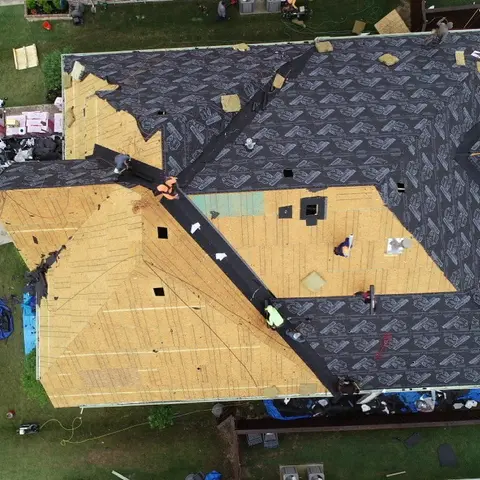 Roofing materialsUnderlayment, Ventilation and Decking: The Parts of a Roof You Don't SeeUnder the shingles sit the decking (plywood or OSB), underlayment (synthetic or felt), self-adhered ice and water barrier at valleys and other leak-prone spots, drip edge…Read the guide
 Roofing materialsMalarkey vs. Owens Corning Shingles: How to Compare the Two BrandsBoth are reputable manufacturers with Class 4 impact-rated shingles, so the better choice depends on the specific product line, color, warranty path and installer, not the…Read the guide
 Roofing materialsMetal Roof vs. Shingles in North Texas: Honest Pros and ConsMetal costs substantially more up front (the 2025 Cost vs. Value report prices a typical metal reroof in our region about 64 percent above asphalt) but…Read the guide